.png&w=128&q=75)


Why Now Is the Time to Go Hybrid: Perth Fuel Prices vs Toyota Hybrid Running Costs
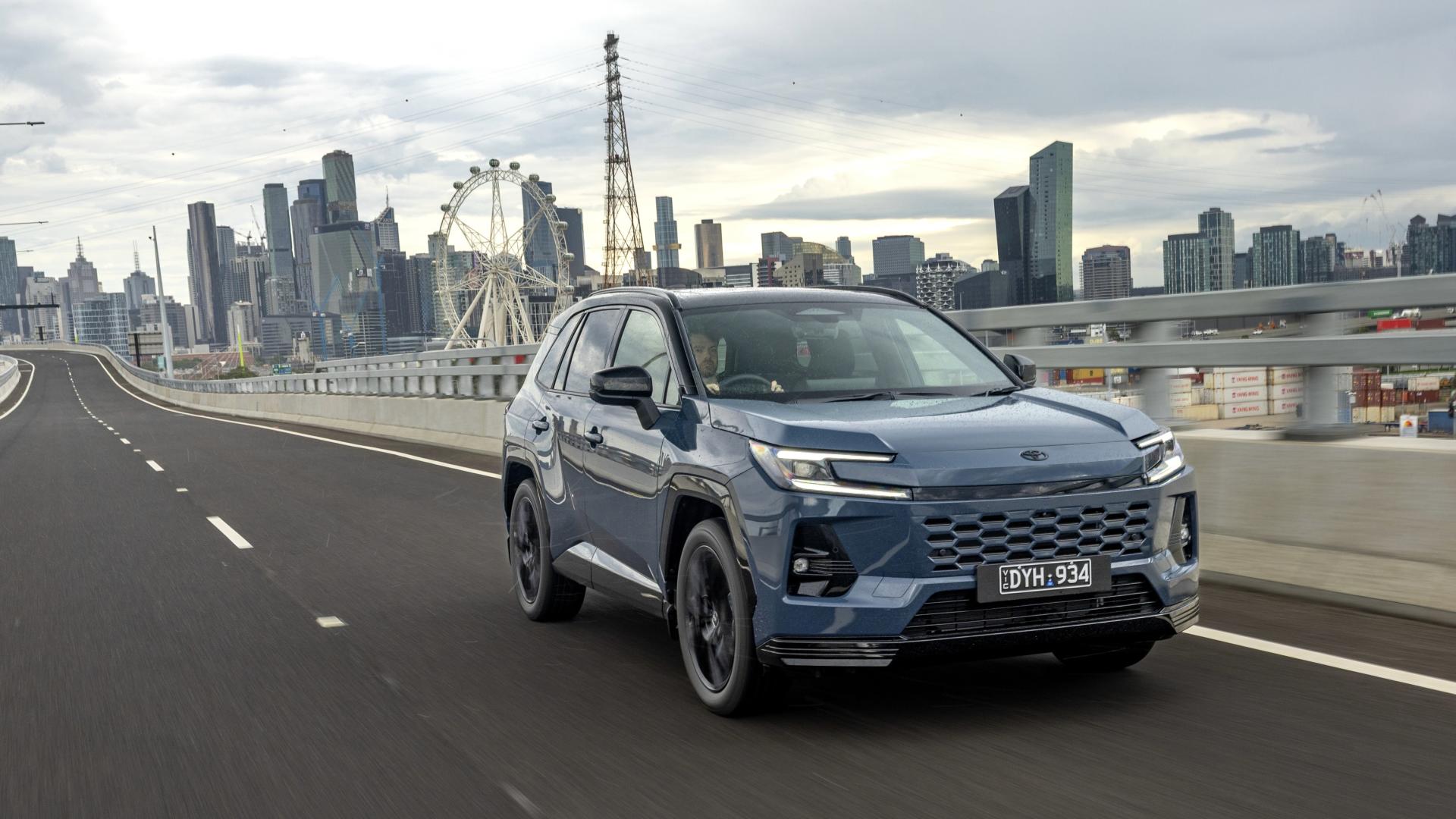
With Perth petrol prices pushing above $2 a litre at the top of the weekly cycle, the cost of filling up is hard to ignore. Nobody can control that, but you can control how many litres your car needs.
Most drivers already suspect a hybrid would help. What they want to understand is why, and by how much. This post explains how Toyota Hybrid Electric reduces the fuel your everyday driving requires, what that difference looks like in real terms, and which model in the range suits the way you actually drive.
Why fuel efficiency matters more now
Perth petrol runs on a seven-day price cycle, and FuelWatch publishes every station’s price for the following day, so when and where you fill up affects what you pay. Plenty of Perth drivers have built the habit of timing it well. Timing only changes what each litre costs, though. It does nothing about how many litres you need. As the price per litre climbs, the value of needing fewer of them climbs with it, and that is the part of the equation that sits with the vehicle rather than the bowser.
That is where fuel efficiency becomes important. When petrol is expensive, every litre you avoid using is worth more. A more efficient vehicle reduces your exposure to changing bowser prices every time you drive, rather than only when you choose to fill up.
How Toyota Hybrid Technology works
A Toyota Hybrid Electric vehicle combines a petrol engine with one or more electric motors and a traction battery. The system automatically manages petrol and electric power to suit the driving conditions, and under certain conditions can operate on electric power alone for short distances at lower speeds.
The battery recharges as you drive, using energy from the petrol engine as well as regenerative braking, which recovers energy that would otherwise be lost as you slow down. There is nothing to plug in. You refuel at the same servo, using the same pump as a conventional petrol vehicle.
That ability to recover energy during deceleration is one reason Hybrid Electric technology is particularly well suited to stop-start urban driving, which describes a lot of what happens on Albany Highway at eight in the morning.
What the difference means in dollars
Consider a vehicle using around 4L/100km alongside one using around 8L/100km. At an illustrative petrol price of $2.00 a litre, the difference is $8 for every 100km travelled. Over 15,000km, that equates to around $1,200.
That figure is a comparison rather than a prediction. Official combined-cycle fuel-consumption figures are produced under laboratory conditions, so they are useful for comparing vehicles on a consistent basis, but they will not match precisely what appears on your own trip computer. Perth prices also move through the cycle, so the litre price you actually pay will vary.
The comparison that matters is against whatever is in your driveway right now. There is no universal hybrid saving. Someone moving out of an efficient small petrol hatch will see a modest difference. Someone replacing an older large SUV that uses 11 or 12 litres per 100km is looking at a considerably bigger one. The honest answer to how much you would save always begins with what you drive today and how far you drive it.
Finding the right Toyota Hybrid
Toyota Hybrid Electric fuel consumption varies by model, but the figures remain relatively close across the range. Looking at the official combined-cycle results side by side gives you a clearer idea of how efficiently each model uses fuel before considering how your own driving conditions may affect real-world consumption.
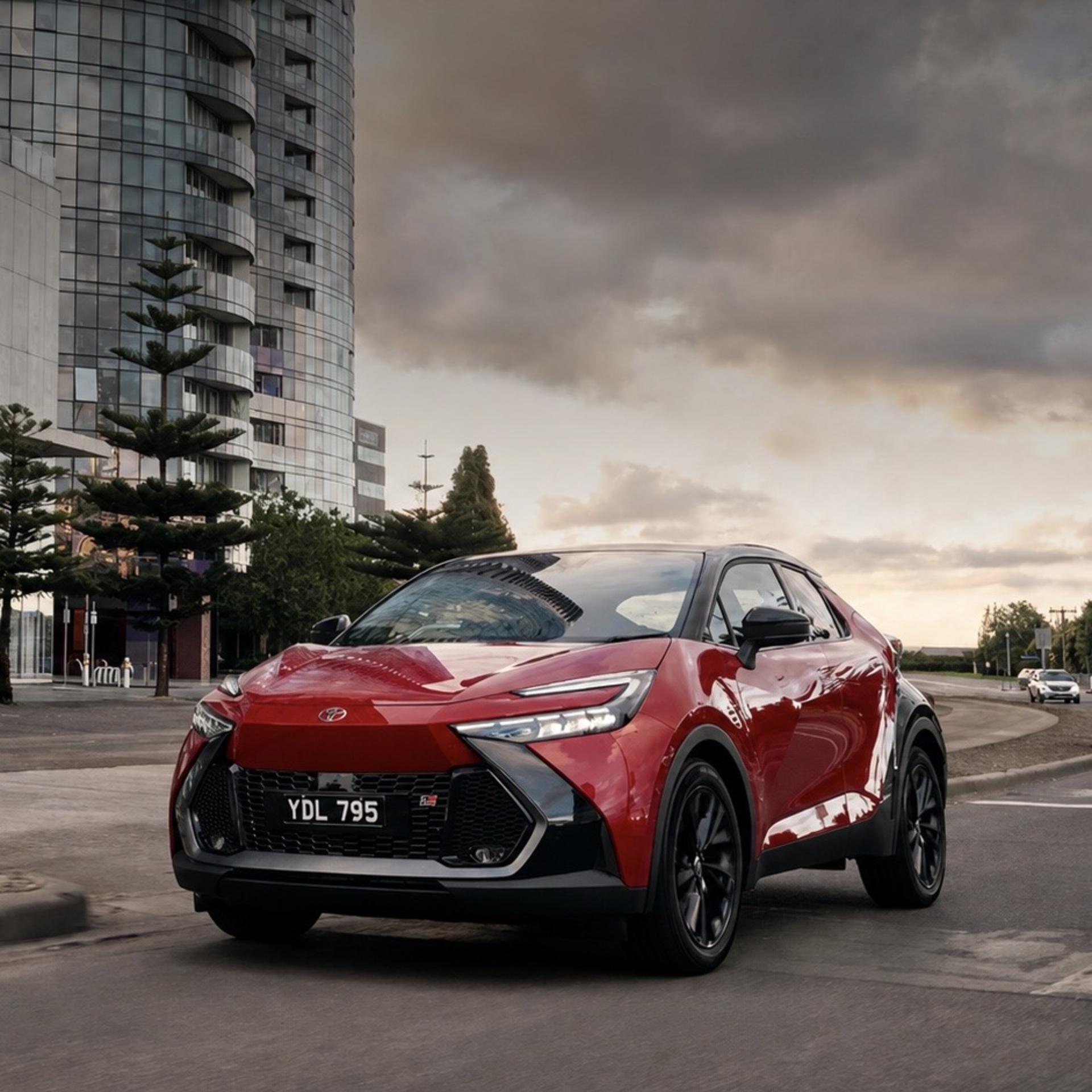
Toyota C-HR
The C-HR is one of the most fuel-efficient Toyota Hybrid Electric SUVs in the range. The GXL and Koba are rated at 4.0L/100km, while the all-wheel drive GR Sport is rated at 4.1L/100km¹.
Best suited: Urban and suburban driving, where regular braking and lower-speed traffic give the hybrid system more opportunities to recover energy. For daily commuting, short trips and regular driving around Perth, the C-HR keeps official fuel consumption particularly low.
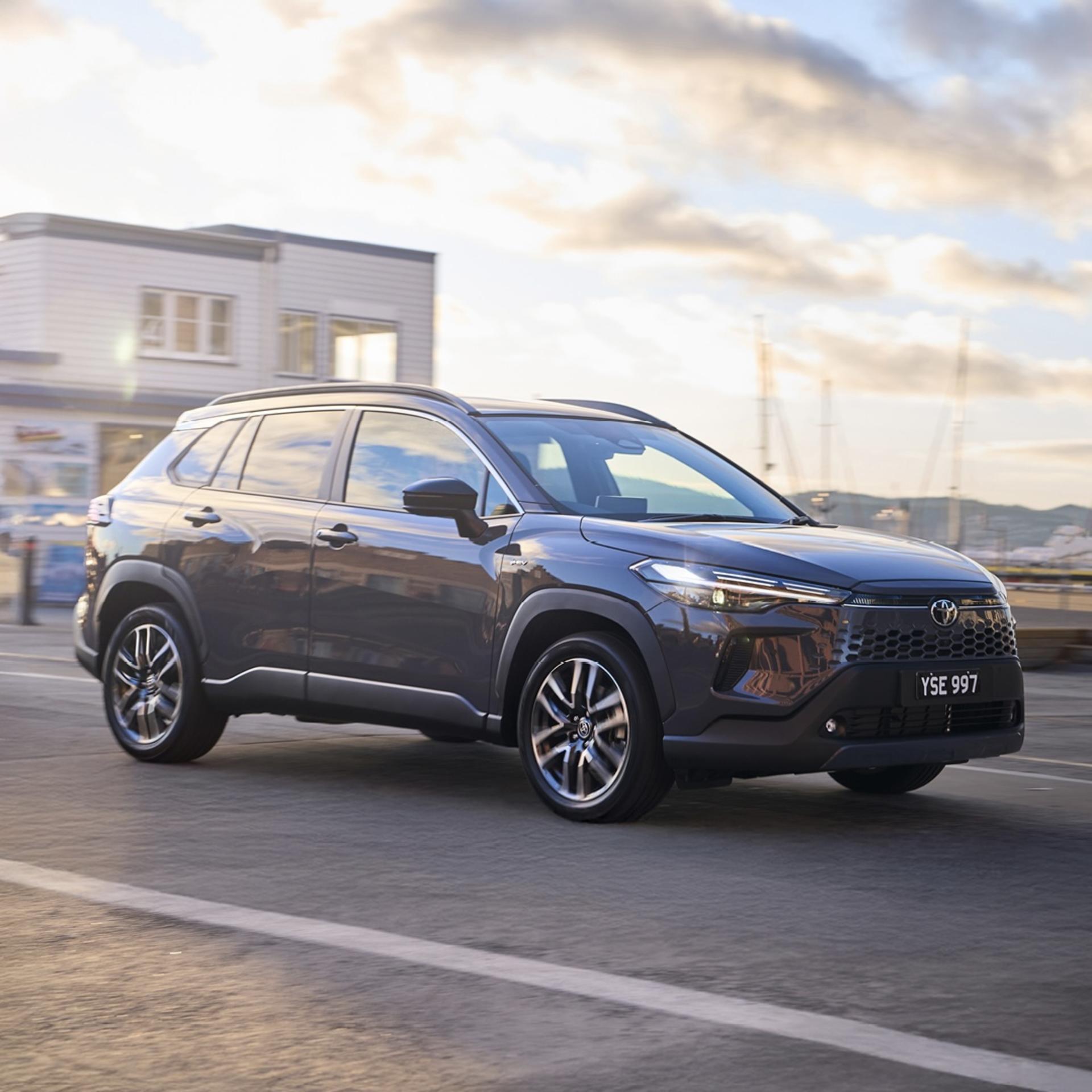
Toyota Corolla Cross
The Corolla Cross stays close to the C-HR on fuel consumption, with front-wheel drive grades rated at 4.2L/100km, GXL and Atmos AWD at 4.4L/100km, and GR Sport AWD at 4.5L/100km¹.
Best suited: Drivers whose weekly routine combines commuting with school runs, shopping and weekend trips. For households that need a little more everyday flexibility without sacrificing strong fuel efficiency, the Corolla Cross remains firmly in the low-four-litre range.
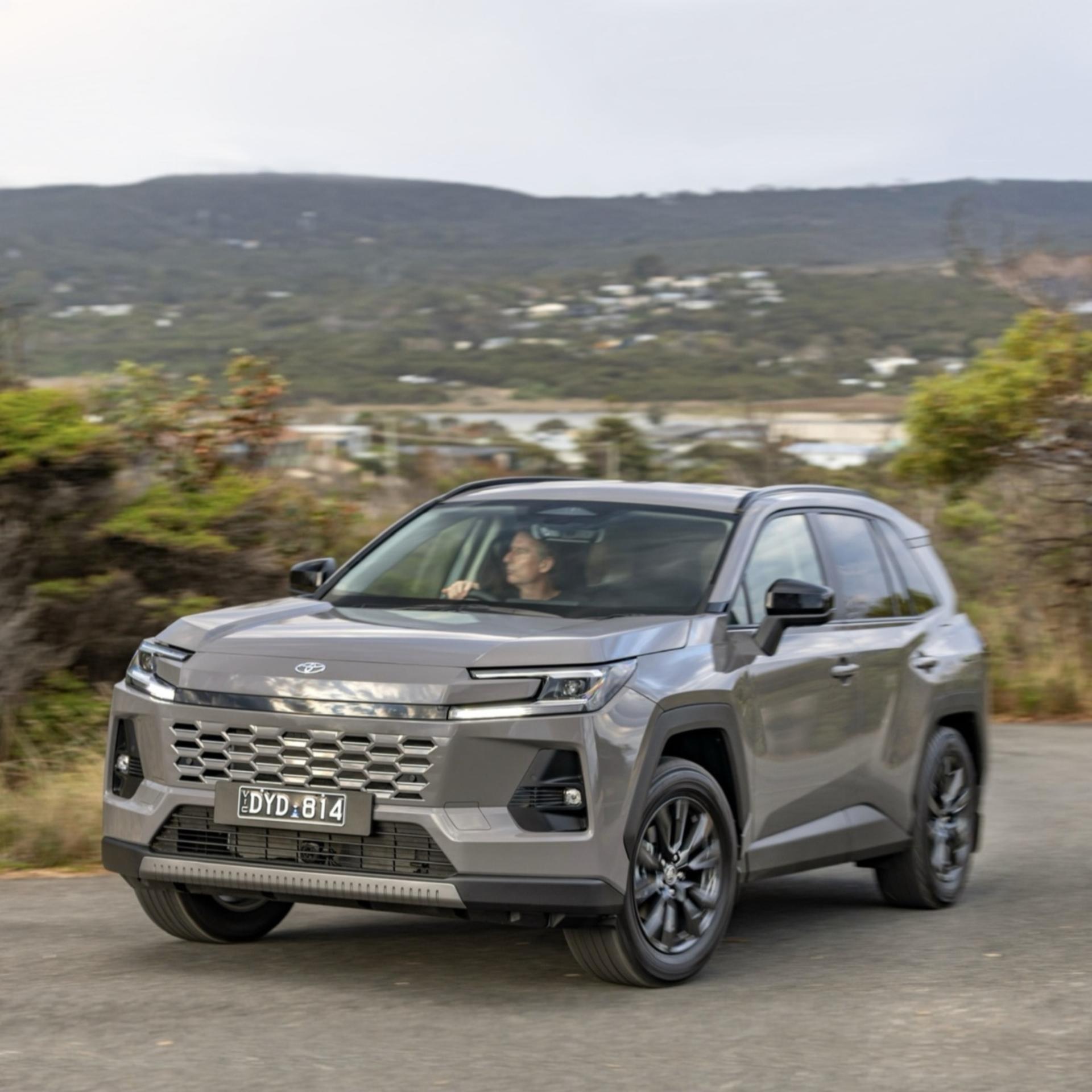
All-New Toyota RAV4
The all-new RAV4 is electrified across the range, with Hybrid Electric variants rated at 4.5L/100km in 2WD and 4.6L/100km in AWD¹.
The Plug-in Hybrid Electric sits in the XSE and GR Sport grades, offering up to 154km of electric driving range on the NEDC test cycle.
Best suited: Drivers covering a broader mix of suburban roads, freeway kilometres and longer trips. For families and households that need a versatile everyday vehicle, the RAV4 combines that flexibility with official fuel consumption that remains relatively close to Toyota’s smaller Hybrid Electric models.
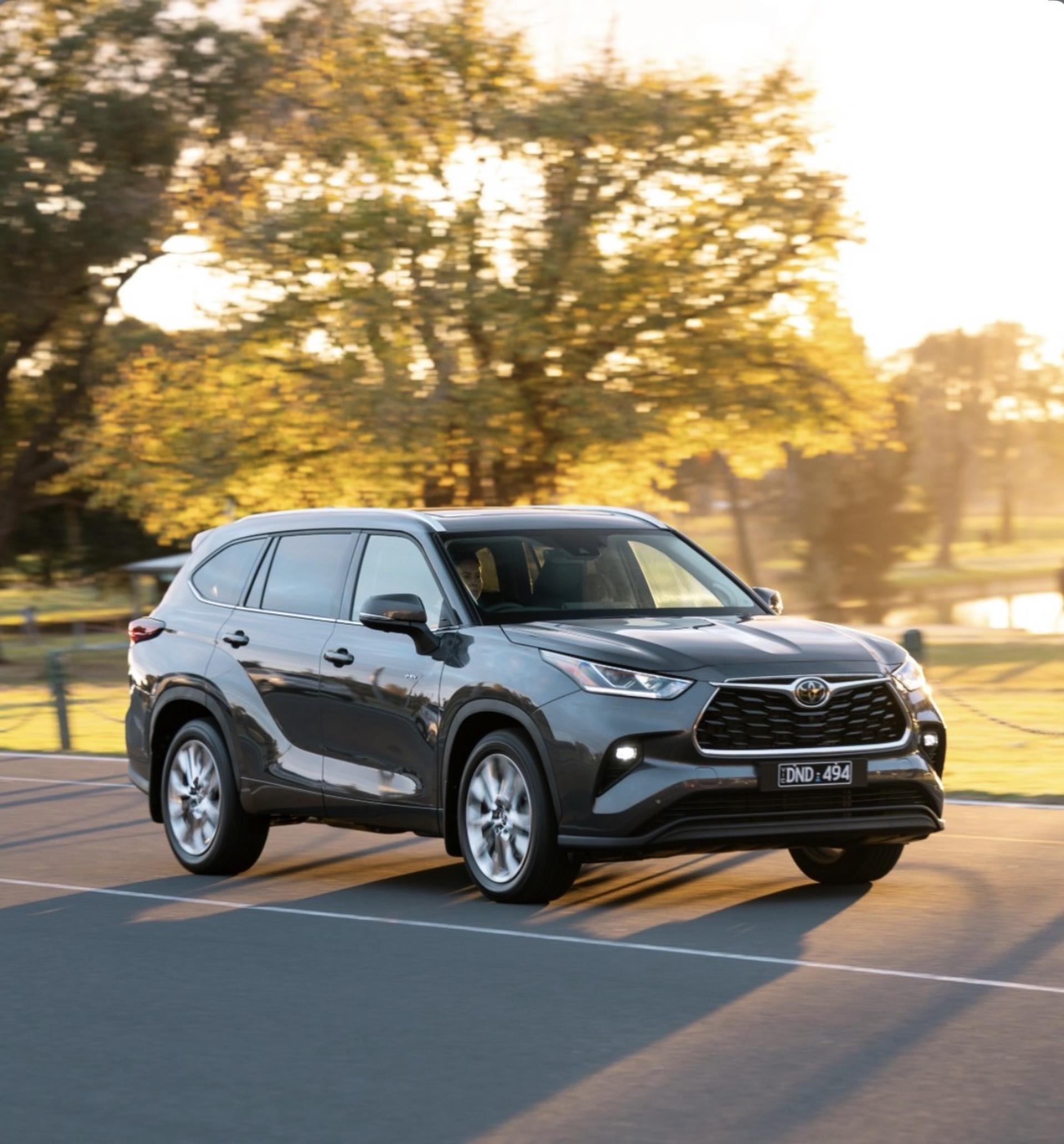
Toyota Kluger
The Kluger is all-wheel drive Hybrid Electric only and is rated at 5.6L/100km on the combined cycle¹.
Best suited: Its fuel consumption is higher than the smaller models but so are the demands placed on it. The Kluger is designed for households that regularly need seven seats, carry more passengers or require greater space. For those drivers, Hybrid technology helps keep fuel consumption relatively restrained for a larger family SUV.
Why fuel grade matters
One detail catches people out. The C-HR and Corolla Cross both recommend 91 RON. The current RAV4 and Kluger both require premium unleaded of 95 RON or above. Fuel consumption tells you how many litres you are likely to use. Fuel grade helps determine what those litres cost. Both belong in the sum when you are comparing models.
What about going fully electric?
Hybrid Electric is about needing less petrol. Battery Electric removes it from the running-cost equation completely, and the bZ4X is where that conversation starts. Costs then depend on electricity rather than fuel. Toyota Australia quotes WLTP energy consumption of 138Wh/km for the bZ4X 2WD². At an illustrative home electricity rate of 33 cents per kWh, 15,000km of driving works out near $680 for the year³.
Where and how you charge also matters. Charging overnight at home keeps that figure low, while relying heavily on public DC fast charging will push it up. Our guide to EV and PHEV charging options in Perth covers how local drivers are managing it in practice.

Find the Right Toyota Hybrid for Your Lifestyle
If rising fuel prices have you reconsidering what you drive, a Toyota Hybrid may be worth a closer look. Visit New Town Toyota to compare fuel consumption across the range, see how it stacks up against your current vehicle and arrange a test drive.
Explore Hybrid Vehicles
Get Behind the Wheel
Get Expert Advice
View our current stock
Special Offers
Frequently Asked Questions
How much fuel will I actually save if I switch to a hybrid?
Do I need to plug in a Toyota Hybrid Electric?
Which Toyota Hybrid Electric uses the least fuel?
Do Toyota hybrids need premium petrol?
Are hybrids only worth it for city driving?
How long is the hybrid battery covered for?
Should I go hybrid or fully electric?
See What Our Customers Think
4.2 rating out of 1110 reviews
Pathi Daran Yogaratnam
My car runs smoothly so im happy. They were able to find and the fix the issues.
Kok Wah Ow
Genuine advise and prompt actions
Jay Diputado
Good service 👍
H2 O Car Rentals
Excellent service and very friendly staff. The team was professional, helpful and kept me informed throughout the process. Very happy with their service and ...
View moreDaniel White
Eliyas is the best salesperson in Perth! I have had a great experience at New Town Toyota. Eliyas is knowledgeable, not pushy and very personable. The dealer...
View moreMary Abbonizio
I was extremely happy with the service I received at New town Toyota. Their service was impeccable. Khish Kept me updated. Very professionally run, thank you.
Finnique
Excellent service and customer service
Shenal Aponso
Nick and Elias at New Town Toyota did a great job when we were coordinating with them to buy our new vehicle. They supported us and provided a very good serv...
View moreJamie Whatmore
Best parts service of any Toyota dealership
Sarah Dowling
New Town Toyota has serviced my Hiace Campervan for many years and the service has always been excellent . I really value and trust the detailed inspection r...
View more← Swipe →

New Town Toyota New & Used Vehicle Sales
- Monday: 8:00am-6:00pm
- Tuesday: 8:00am-6:00pm
- Wednesday: 8:00am-8:00pm
- Thursday: 8:00am-6:00pm
- Friday: 8:00am-6:00pm
- Sat: 8:00am-1:00pm
- Sun: Closed
Enquiry Form
New Town Toyota New & Used Vehicle Sales
New Town Toyota - Service
New Town Toyota - Parts
More Blogs For You


← Swipe →