.png&w=128&q=75)


Your Guide to Electrified Vehicles and Business Fleets

More Perth businesses are looking at electrified vehicles as a practical option for their fleets. Whether that is driven by fuel costs, sustainability commitments, or simply better long-term economics, understanding the technology is the first step toward making the right call for your operation.
This guide covers the three main types of electrified vehicles available through Toyota and what each one means in a fleet context.
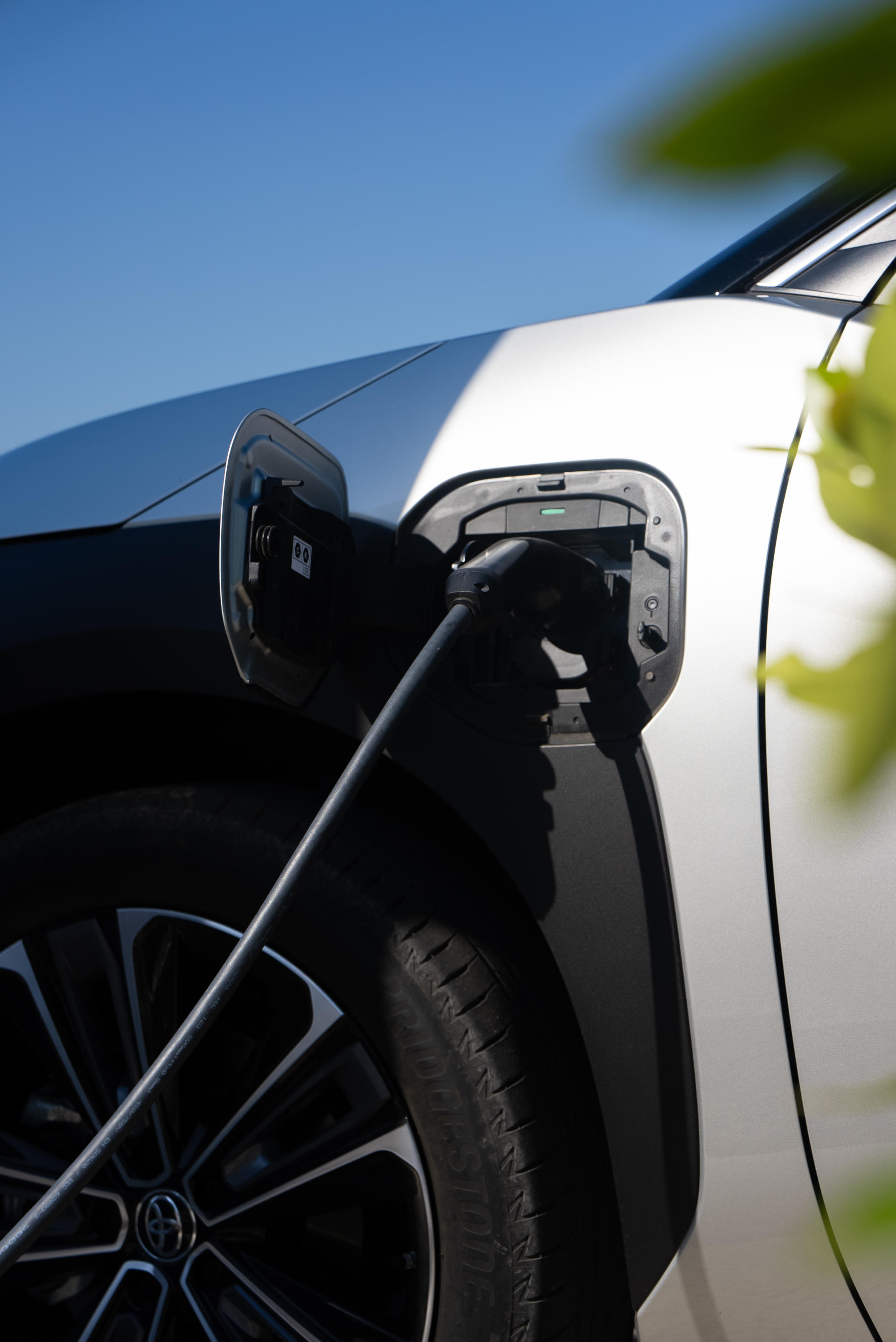
What is an electrified vehicle?
An electrified vehicle uses electricity, either fully or partially, in place of petrol or diesel. The electric motor may work alongside a conventional engine, or replace it entirely, depending on the technology type.
Toyota's electrified range spans three main categories: Hybrid Electric Vehicles (HEVs), Battery Electric Vehicles (BEVs), and Hydrogen Fuel Cell Electric Vehicles (FCEVs). Each suits different fleet needs, and the right choice depends on how and where your vehicles are used.
Hybrid Electric Vehicles (HEVs)
A Hybrid Electric Vehicle combines a conventional internal combustion engine with an electric motor. The electric motor assists the engine during acceleration and recovers energy during braking, which helps reduce fuel consumption without any changes to how your drivers refuel.
HEVs charge their own batteries through the vehicle's braking system, so there is no need for a charging infrastructure. This makes them a practical starting point for fleet managers who want to reduce fuel use without modifying depots or requiring drivers to manage charging routines.
For fleets operating across regional Western Australia or mixed urban and country routes, HEVs offer genuine fuel savings while removing the dependence on charging infrastructure that other electrified technologies require.
Plug-in Hybrid Electric Vehicles (PHEVs)
A Plug-in Hybrid Electric Vehicle also combines an internal combustion engine with an electric motor, but carries a larger battery that can be charged from an external power source. This allows for a period of electric-only driving before the petrol engine takes over.
For fleets with predictable daily routes that fall within the electric range, a PHEV can meaningfully reduce fuel costs. Vehicles that are charged regularly overnight will make the most of the electric capability.
Battery Electric Vehicles (BEVs)
A Battery Electric Vehicle runs entirely on electricity and produces zero vehicle exhaust emissions while driving. There is no internal combustion engine, no fuel costs, and no tailpipe emissions.
For metropolitan fleets operating within a predictable daily range, BEVs offer the most significant reduction in running costs and emissions. Charging can be managed overnight at a depot or via public charging infrastructure during the day.
Range and charging times vary by model. Any range figures quoted for specific vehicles are based on WLTP testing and will vary depending on driving conditions, load, speed, and climate. Speak with our fleet team at New Town Toyota for model-specific detail.
BEVs under the Luxury Car Tax threshold ($91,387 for FY2025-26) may be eligible for the Federal Government's FBT exemption for eligible employers and employees. Your accountant or a qualified fleet adviser can confirm eligibility for your situation.
Hydrogen Fuel Cell Electric Vehicles (FCEVs)
Hydrogen Fuel Cell Electric Vehicles convert hydrogen into electricity using a fuel cell, with water vapour as the only byproduct. Like BEVs, they produce zero tailpipe emissions, but can be refuelled at a hydrogen pump in a process more similar to conventional refuelling.
Toyota is at the forefront of hydrogen vehicle development globally. While hydrogen refuelling infrastructure in Australia is still developing, FCEV technology represents a significant direction for zero-emission transport, particularly for applications where range and refuelling time are priorities.
We are happy to discuss what the future of hydrogen vehicles could mean for your fleet planning.
Choosing the right technology for your fleet
There is no single answer that suits every business. The right electrified vehicle depends on your routes, refuelling or charging options, driver patterns, and the role each vehicle plays in your operation.
A practical approach for many fleets is to introduce electrified vehicles gradually - replacing conventional vehicles with an electrified alternative as each one reaches the end of its lifecycle. This spreads the transition cost and allows your team to build familiarity with the technology over time.
New Town Toyota's fleet team works with Perth businesses across all industries to find the right vehicle mix. If you want a straight conversation about which electrified options suit your fleet, get in touch with us.
Enquiry Form
New Town Toyota New & Used Vehicle Sales
New Town Toyota - Service
New Town Toyota - Parts
Important Information
Range figures are based on WLTP testing and will vary depending on real-world driving conditions including speed, load, climate, and road type.
FBT eligibility is subject to government policy, individual circumstances, and income year.
This content is general in nature and does not constitute financial or tax advice. Please consult a qualified adviser for guidance specific to your situation.
More Blogs For You


← Swipe →